
The freedom struggle of India is often associated with the Revolt of 1857, but few remember the early flames of resistance that emerged decades before. One such fierce voice belonged to Rani Shiromani of Karnagarh, a Sadgop queen from Bengal who rose against the oppressive policies of the British East India Company in 1799. She led a major peasant uprising known as the Chuar Rebellion, and her bold defiance of colonial rule makes her one of the first female revolutionaries in Indian history.
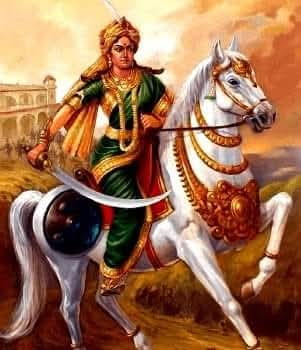
At a time when women rarely held political power, Rani Shiromani not only governed her estate with dignity but also led a full-scale rebellion, inspiring thousands of tribal peasants to rise up against tyranny.
Early Life and Background of Rani Shiromani
Rani Shiromani was born around 1728 into a noble family in Bengal. She became the Rani (queen) after marrying Raja Ajit Singh, a Sadgop ruler of Midnapore Raj, a zamindari estate in the Midnapore region (now Paschim Medinipur, West Bengal).
According to an official account by the Collector of Midnapore, Raja Ajit Singh of Karnagarh died without an heir in 1753 CE. After his death, his two widows, Rani Bhawani and Rani Shiromani, jointly assumed control of the Midnapore Raj. Following Rani Bhawani’s death in 1760, Rani Shiromani became the sole ruler.
What made her unique was her deep connection with the tribal population of the region, especially the Bhumij and other indigenous peasant communities, often called Chuar by British colonial officials. She wasn’t merely a landholder; she was a leader deeply trusted by her people.
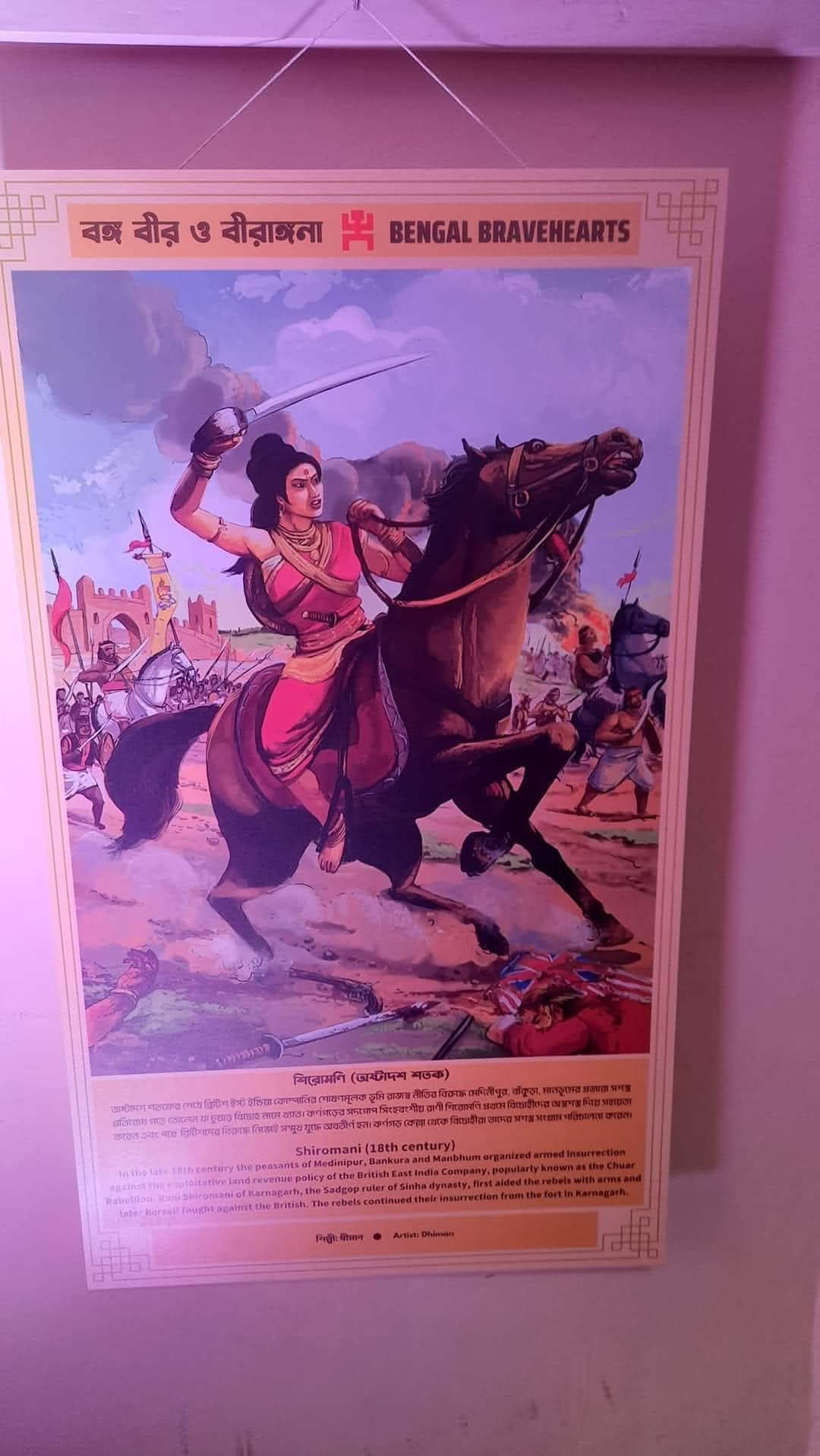
Role In The Chuar Rebellion :
The Chuar Rebellion was not a single event but a series of tribal uprisings between 1767 and 1809 in parts of Jungle Mahals, which included present-day Midnapore, Bankura, Purulia, and parts of Singhbhum and Manbhum. During the Second Chuar Rebellion (1798–1800), Karnagarh, Bahadurpur, and Salbani in the Midnapore district emerged as key centers of the uprising.
On 17th March 1798, Rani Shiromani, Sadgop queen of Karnagarh declared war against the British. When the British imposed a high tax on the Karnagarh estate, she refused to comply. Unlike other zamindars who accepted Company rule, she chose to stand with her people. She gathered her forces, especially farmers, and mobilized thousands of tribal peasants warriors—forming a well-coordinated army to challenge colonial rule.
She declared that any British official or Indian agent under British authority who dared to enter Karnagarh to collect revenue would not leave the village alive. She not only motivated the farmers but also got them trained in warfare for the battle ahead.
Her stronghold was the Karnagarh Fort, a strategically located structure with defensive walls, secret tunnels, and nearby water tanks. From here, she operated a guerilla-style campaign that freed 124 villages from British taxation. She and her followers destroyed revenue records, reclaimed tribal lands, and created a parallel zone of governance.
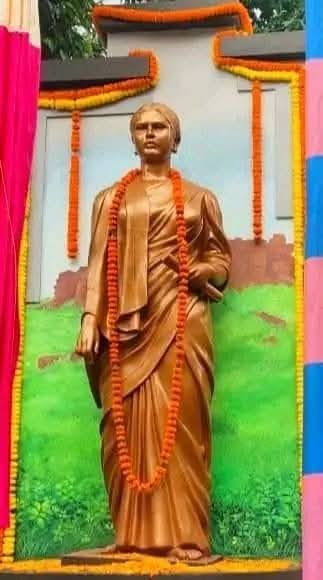
The British were taken aback by the scale and organization of the revolt. While other leaders like Durjan Singh, Mangal Singh, and Lal Singh led tribal revolts in other parts of Bengal, Rani Shiromani emerged as the key leader in Midnapore, making her the only female figurehead in the entire Chuar movement.
Capture, Imprisonment, and Death
Unable to suppress the uprising through military force alone, the British launched a targeted operation against her. In April 1799, Rani Shiromani attempted to flee through one of the secret tunnels connecting Karnagarh Fort to the nearby town of Midnapore. She was eventually captured by the British forces and imprisoned in the Hijli Detention Camp, near present-day Kharagpur.
There, she was kept in solitary confinement for nearly 13 years, a brutal punishment aimed at breaking her spirit. Despite repeated attempts, she refused to sign any documents of submission or apology to the British authorities. She died in captivity in 1812, making her one of India’s earliest political prisoners—and arguably, its first female political prisoner.
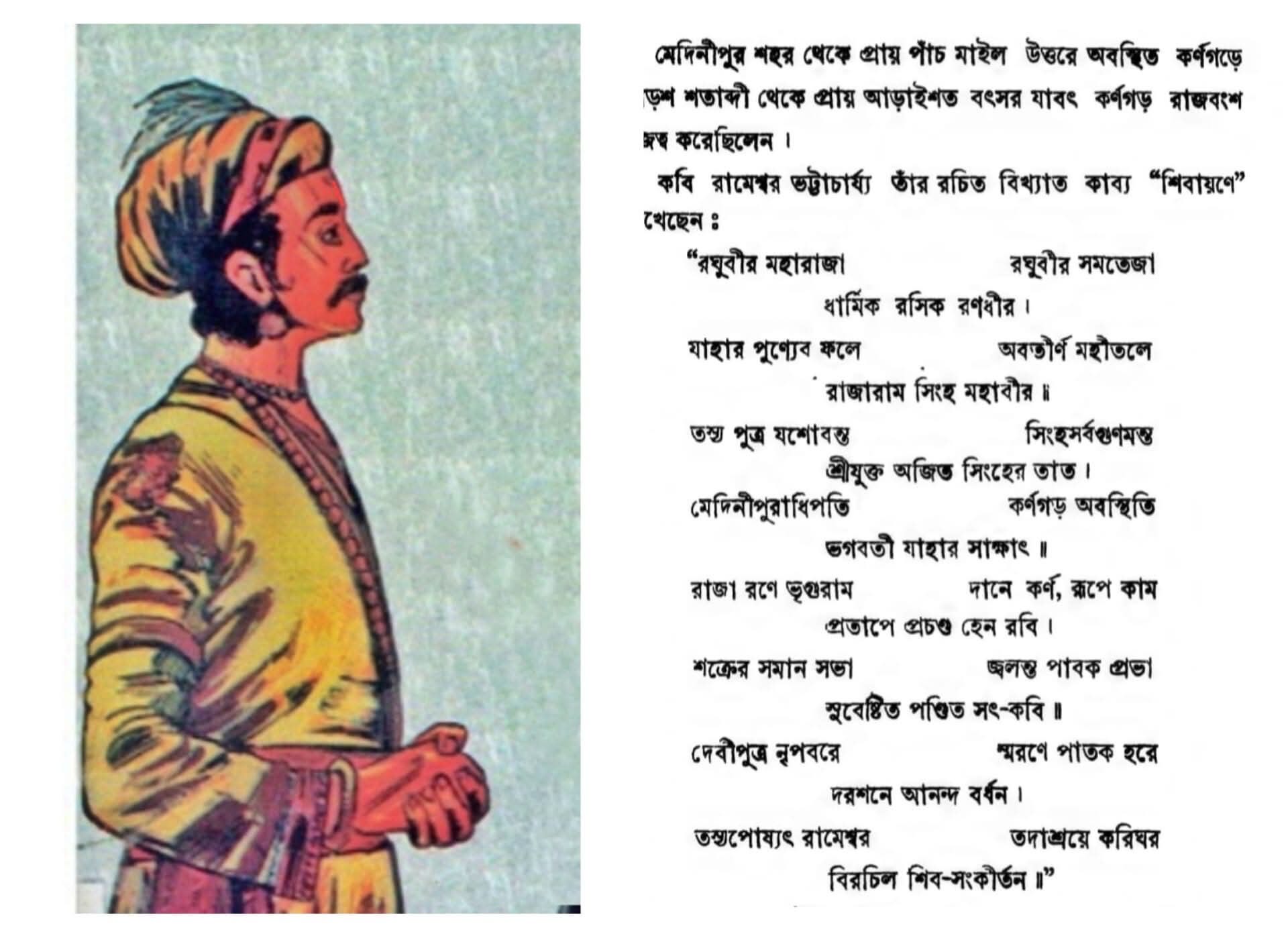
Legacy and Modern Recognition:
Rani Shiromani’s courageous stand against British tyranny remains a shining yet often overlooked chapter in India’s freedom struggle. Her legacy continues to inspire generations in Bengal and beyond. The Indian Railways has introduced the Howrah–Adra Shiromani Fast Passenger train to commemorate her sacrifice.
Pallab Mondal
Read Also : Bangladesh in Flames: Islamist Mobs Target Hindus and Indian High Commission After Death of Osman Hadi

