
In this article we are discussing about temples of Purulia, West Bengal. Rugged, hilly stretch of Purulia bordering Jharkhand often gets overlooked next to Kolkata’s energy. From what I’ve seen, history runs deep there. Temples sprinkle the area, many seeming ancient and blending Jain and Hindu touches. This usually suggests Jainism held sway from around the 6th to 13th centuries, or so the records indicate. Kings from Odisha likely built a few, even if they followed other paths. In many cases, these spots weave together religion, art, and the slow effects of time. (Temples of Purulia)
Jain Temples
Jain temples often strike as the oldest around. They tend to hide in villages, almost like forgotten finds. Pakbirra comes to mind as a solid example. It is located roughly 50 kilometers southeast of Purulia town. Builders probably raised three temples back in the 9th century. They went with triratha nagara style—those curved towers from the Pala times, in my view. The main one has a front chamber linking to the sanctum, where a big 7.5-foot Padmaprabha idol stands, one of the Jain Tirthankaras on what looks like a lotus base. Carvings depict others like Rishabhanatha and Mahavira in that kayotsarga stance. Yakshas and yakshis appear to watch over things. A stone slab shows 360 small Jinas, or so it seems. Folks have made it an open-air museum these days. Votive stupas dot the grounds. An Ambika idol sits under a tree. The place feels quiet most times. Crowds might show for Mahavir Jayanti celebrations. Heading there can challenge you, though. Roads from Kolkata sometimes jam up in Purulia town, particularly in the mornings. We set out at 8 AM once and got stuck in thick traffic—trucks blocking paths, locals dodging around. Those moderate roads just dragged out the wait. Frustration built quickly. Not always smooth sailing. Summer from April to June often brings water scarcity that hits hard. Droughts pop up frequently. Temps rise high. Rainfall can swing wildly. Farms take a hit, and so do hikes. Pack extra water, or you might feel the parched conditions locals deal with.
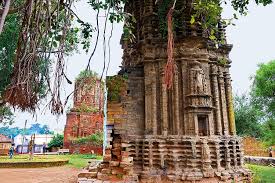
Deulghata is nestled in the forests beside the Kasai River. It’s approximately 30 kilometers from town. Dense jungle surrounds it. More buildings probably stood there once. Two brick temples remain from perhaps the 11th or 12th century. Eastern Ganga kings from Odisha seem to have put them up. Anantavarman Chodaganga Deva, who followed Shaivism, apparently backed Jain efforts. This usually points to faiths mingling back then. British people such as Dalton and Beglar rediscovered them in the 1800s. Hindu idols include a four-armed Parvati, Ganesha, and an eight-armed Durga battling a demon. Jain presence likely faded around the 12th century. Locals probably shifted to Hindu practices—Shivalingams fill them now. Builders cut bricks precisely, some reaching 18 by 12 inches. They shaped pyramids with triangular openings. The main base spans around 26 feet square. Height might have hit 60 feet at first. Geese designs adorn it. Kirtimukha faces bring in myths. A stone gutter handles rain. Ruins lie scattered: pillars down, a third temple gone since 2002. A faded Ganesha rests on a lotus. Safeguards seem limited. Tusu festival draws people in. Stories say Mahavira passed through ancient Purulia. Wandering there highlights issues. Power isn’t always steady nearby. Outages strike often, without warning in rural spots. We handled one on a trip—phone lights got us through twilight. A bit of a scramble. Water problems linger too. Scarcity can leave taps empty. Climate changes might intensify sparse rain and vanishing greenery. Stay hydrated, or share the thirst locals face.
Banda Deul looms in Banda village. It’s some 35 kilometers out. Sandstone makes it up, about 75 feet high. Rekh deul style shapes it—a straight tower with three jut-outs. Dates could range from the eleventh to thirteenth centuries. It appears to be one of the best-kept stone temples.
Base covers 14 feet square on a platform with old pillar bits. ASI looks after it. It keeps things simple. A sense of age hangs there. Parts have fallen. Devotees likely gathered way back—you get that vibe.
Hindu Temples of Purulia
Hindu temples often layer over that base. They hint at shifts through the years. Para village lies 28 kilometers northeast. It might have been the old Panchakot hub. Three temples stand: one stone, a brick one at 45 feet from maybe the 10th or 11th century with detailed work, and a blended one at 40 feet with carvings that time has softened. Palace hints remain close. The Durga Temple carries monument protection. Followers pay respects to the goddess. A mound at Haraktore could hide more finds.
Cheliyama in Raghunathpur II holds the Radha Govinda Mandir. Terracotta wraps it. Panels show bits from the Ramayana and Mahabharata. Scenes catch everyday stuff—hunters at work, musicians tuning in. Likely from the 17th or 18th century. People often praise the terracotta as top-notch in western Bengal. It holds up well.
Kroshjuri under Kashipur has the Siva Temple. Shiva takes center. Old pillars hold firm. Frames show patterns. A 90 cm linga anchors it. Lions stand by. Hero stones share tales. Figures include Kali and a ten-handed Durga over a buffalo. It’s 42 kilometers from Purulia. Rituals go on regularly.
Arsha’s Basudeb Temple focuses on Krishna—Basudeb as another name. Suissa not far mixes Jain elements, suggesting ties.
People head to some places these days. Purulia’s Surya Temple nods to the sun god. Chhath Puja livens it at first light. Setup stays straightforward. Nadiha Kali Temple roots in a village. Kali pulls in visitors. Puja sparks fairs and glow. It buzzes.
Chowk Bazar’s Soloana Mandir anchors the town. Daily devotions happen. Satsang Vihar provides a newer spot. It connects to the Satsang group. Rooms offer meditation. Folks seek quiet there. Jelia Para Durga Temple buzzes in the area. Puja events fire it up. Telkupi carries a tough story. Around 22 temples were there in the 1870s, mostly Jain. The Panchet Dam covered them in the 1950s. A handful surface now and then. Eerie feel.
Deuli sits 75 kilometers southwest. Panchayatan ruins form it—five around a core. The middle has a Jain Tirthankara, treated as a local figure now. Harup nearby has a stone with a deity on an elephant. Suissa’s museum keeps Tirthankara pieces.
Jambad’s Mahadeb Berya started in 1973 for Digambar Jains. It holds statues from the 10th-11th centuries. Saraks tend to it. Garpanchokot near Panchet Hill shows fifth-century leftovers. Temple scraps appear. Some got rebuilt. Trails draw hikers.
Jaichandi Hill calls from 44 kilometers. Temple tops it after 480 steps. Sights impress. A British signal tower crumbles close. Begunkodor’s Rasmancha sets up for events. Stucco details it. Achkoda and Cheliyama bring more terracotta sites. Fixes keep them fresh. These spots go beyond mere structures, in my experience. They hold snapshots of time. Jain ones often bring to mind monks roaming hills. Hindu changes suggest adaptations. Earthquakes, floods, and oversight lead to ruins—that adds a pull. It’s genuine, not spruced up. Creators blended Odisha ways with local materials like brick, stone, and terracotta. Panels often tell stories of legends or daily doings. Gatherings keep spirit: Mahavir Jayanti, Durga Puja, Kali Puja.
Trips there root you in reality. National Highway 18 sees wrecks that clog things—serious blocks drag on. We skirted one; pressure felt tangible. Power dips happen. WBSEDCL logs cuts—lines assist in blackouts. Far-off places dim quick—daylight works best. Water shortages trouble Purulia: dry spells hurt crops, expansion strains more. Paths at Deuli dry without water systems—bring supplies or tough it like residents. Bengal gives this break. No throngs. Ride bikes in Purulia. Woods and waters frame it.
Upkeep lags behind. Places like Deulghata show risks. Items wear or vanish. Officials mark them as key sites. More could help, perhaps. Visitors increase—seeking tucked-away past.
Saunak Roy Chowdhury
Read Also : Bengal’s Hindu Holocaust: The Partition of India and Its Aftermath : A Book review by Saraswati Mookerjee
Read Also : Purulia – Tarundeb Bhattacharya

